What If Your Weekend Videos Could Tell Your Story—Without the Stress?
Remember those weekend clips you shoot but never edit? They sit buried in your phone, full of laughter and little moments you’d love to relive. What if turning them into beautiful, shareable stories didn’t require hours or technical skills? Today’s video editing tools aren’t just for pros—they’re quietly reshaping how we preserve memories, connect with loved ones, and even see ourselves. Let’s talk about how a simple weekend habit can become something meaningful—effortlessly.
The Weekend Dilemma: Why We Film But Never Finish
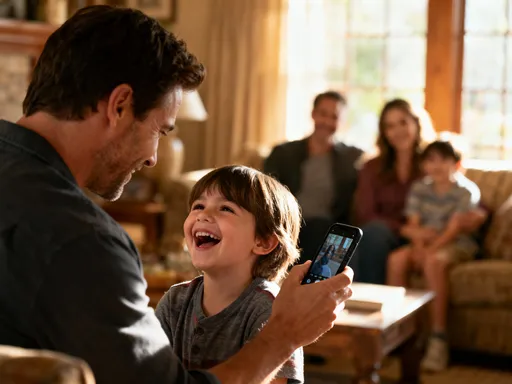
You know the scene. Your child runs across the yard, arms outstretched, face lit up with pure joy. You grab your phone, hit record, and capture every second. Or maybe it’s that quiet moment at the kitchen table—your sister sipping tea, sunlight catching her smile as she tells a story you’ve never heard before. These are the moments we want to hold onto. And yet, so many of them stay trapped in our camera rolls, unwatched, unshared, unfinished.
Why is that? It’s not because we don’t care. In fact, it’s the opposite. We care too much. We want the video to be just right—smooth cuts, perfect music, the right tone. So we tell ourselves, “I’ll edit it later.” But later never comes. Between school pickups, grocery runs, work emails, and the endless to-do list, editing feels like one more task we don’t have time for. It’s not laziness. It’s life. And somewhere along the way, we’ve convinced ourselves that preserving memories has to be hard to be meaningful.
But what if it didn’t? What if honoring those moments wasn’t about perfection, but presence? What if we could turn raw clips into something beautiful without spending hours learning software or wrestling with timelines? The truth is, most of us aren’t trying to win awards. We just want to remember. We want to show our kids one day what life felt like—the way Grandma laughed, the sound of rain on the porch, the way your best friend danced in the kitchen for no reason at all. And now, we can.
From Overwhelm to Joy: How Editing Became Accessible
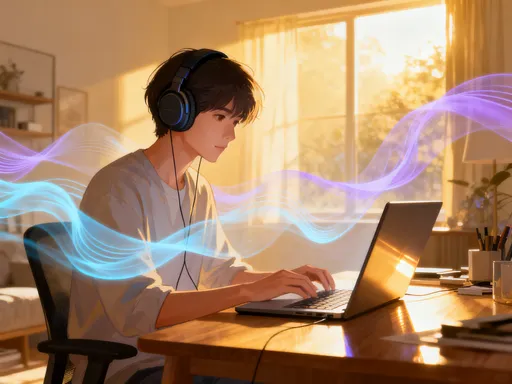
Not long ago, video editing meant sitting in front of a computer with complex software, dragging clips across a timeline, adjusting audio levels, and figuring out transitions that didn’t look amateurish. It was intimidating. It felt like a skill reserved for creatives with degrees or endless free time. But technology has changed—not just in power, but in purpose. Today’s editing tools are designed with real life in mind. They’re not built for film festivals. They’re built for you, in your pajamas, editing a birthday clip while waiting for the laundry to finish.
Imagine this: you film your daughter’s birthday party—balloons, cake, shrieks of delight. A few days later, you open a simple app, tap “Create Story,” and select your favorite clips. The app automatically trims the shaky parts, syncs the cuts to upbeat music, and adds gentle transitions. In less than ten minutes, you have a polished video that captures the joy of the day. No tutorials. No frustration. Just you, your phone, and a few taps.
This shift didn’t happen by accident. Designers and engineers started asking not just what editing could do, but how it could feel. They realized that for most people, the goal wasn’t technical precision—it was emotional truth. So they built tools that prioritize feeling over function. Auto-suggestions, smart cropping, voice leveling—these aren’t just features. They’re quiet helpers, removing the friction so you can focus on what matters: the memory.
Your Phone, Your Storyteller: The Quiet Power of Smart Tools
Think of your phone not just as a camera, but as a storyteller. It already knows so much about your life—the people you love, the places you go, the moments you linger on. Now, it can help you make sense of them. Modern editing apps use smart technology to act like a thoughtful friend, gently guiding you from chaos to clarity. You don’t need to know what a “dissolve transition” is. You just know it feels right when one moment flows softly into the next.
Take mood-based music, for example. You select a few clips of your family at the beach—waves crashing, kids building sandcastles, your partner reading under an umbrella. The app asks, “How do you want this to feel?” You tap “Calm and happy,” and it suggests acoustic guitar tracks that match the rhythm of the waves. The music swells just as the sun dips below the horizon in your video. You didn’t have to search for the perfect song or adjust the volume. The tool did it for you, so you could stay in the moment.
Or consider voice enhancement. You film a sweet moment—your mom telling a story about her childhood. The audio is a little muffled, with background noise from the kitchen. Instead of giving up, you tap “Enhance audio,” and suddenly her voice is clear, warm, present. The laughter in her words comes through. That story, once at risk of being lost in poor sound quality, is now something you can keep and share for years.
These aren’t magic tricks. They’re thoughtful design choices—technology working quietly in the background so you don’t have to. And the best part? You don’t need to understand how it works to benefit from it. You just need to care. And if you’re reading this, you do.
A New Weekend Ritual: Creating Instead of Scrolling
Let’s be honest—how many Sunday afternoons have slipped away while we scrolled through feeds, watching other people’s lives instead of reflecting on our own? There’s nothing wrong with relaxing. But over time, passive consumption can leave us feeling… empty. Like we’ve spent hours, but nothing sticks.
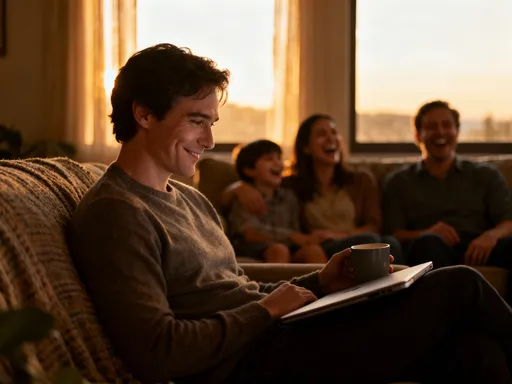
Now imagine a different kind of Sunday. You pour a cup of tea, wrap yourself in a cozy blanket, and open your camera roll. Instead of mindlessly swiping, you pick one clip—maybe your son’s first time riding a bike, wobbling at first, then beaming with pride. You open an editing app, choose a simple template, and let the tool help you arrange the moments. You add a caption: “Look at you go.” In fifteen minutes, it’s done. And when you watch it, your heart swells. This isn’t just a video. It’s a keepsake.
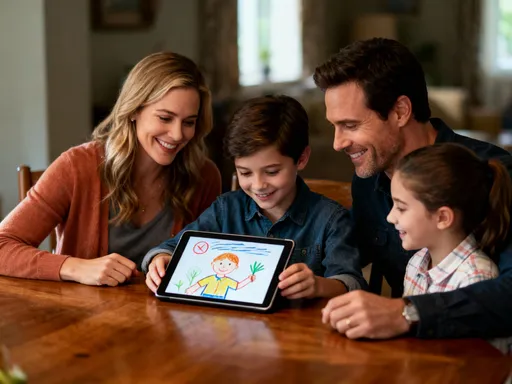
One woman I know started doing this with her husband every weekend. They call it their “Sunday Reel.” They each pick a clip from the week—a funny moment, a quiet one, something small but special. They edit them together, laughing at the bloopers, pausing on the sweet ones. What began as a tech experiment became a ritual of connection. They’re not just preserving memories. They’re building a shared language of love, one short video at a time.
And here’s the thing: this isn’t about replacing rest. It’s about enriching it. Instead of zoning out, you’re tuning in. Instead of consuming, you’re creating. And that small shift—from passive to active—can change how you experience your weekends, your relationships, even your sense of self.
Keeping Loved Ones Close: When Videos Become Emotional Bridges
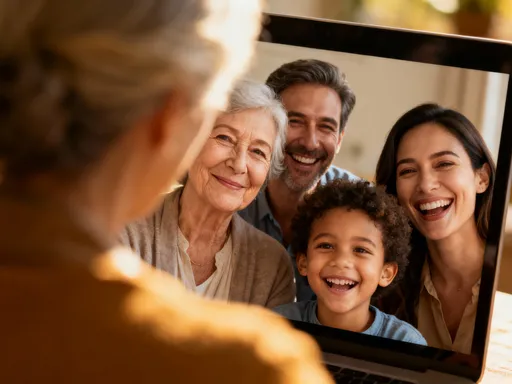
We all have people we wish were closer—geographically or emotionally. Maybe your parents live across the country. Maybe your best friend moved away after college. Life pulls us in different directions, and sometimes, a text or phone call doesn’t feel like enough. But a video? A video can carry tone, expression, movement. It can show, not just tell.
Imagine sending your mom a 30-second clip of your toddler saying “I love you” for the first time. Not a screenshot. Not a text that says “She said I love you!”—but the actual moment, her tiny hands reaching out, her voice cracking with emotion. When your mom watches it, she doesn’t just hear the words. She sees the light in your eyes, the way you held your breath. She feels like she’s there.
Or picture this: your sister is going through a hard time. You send her a short video of you two from ten years ago—dancing in the kitchen, ridiculous wigs on, laughing until you cried. You add the caption: “Remember us? We’re still here.” She watches it and cries—not from sadness, but from being seen. From remembering who she is, and who she’s loved by.
These aren’t viral moments. They’re personal ones. And that’s what makes them powerful. In a world that often measures value by likes and shares, these videos remind us that the most meaningful content isn’t public. It’s private. It’s not about reach. It’s about resonance. It’s not for the algorithm. It’s for the heart.
Discovering Yourself Through the Lens: A Journey of Small Growth
Here’s something no one tells you: when you start editing your own videos, you begin to see yourself differently. Not in a narcissistic way, but in a deeply human one. You notice patterns. You realize, for example, that most of your favorite clips involve food—Sunday pancakes, birthday cakes, coffee with friends. Or that you always film your dog when you’re feeling stressed. Or that the moments you choose to save are almost always about connection—someone laughing, hugging, sharing.
Editing becomes a form of reflection. As you trim and arrange, you’re also making choices about what matters. You’re asking, without words: What do I cherish? What brings me joy? What do I want to remember? And in answering those questions—through music choices, clip order, even color filters—you’re telling yourself a story about who you are.
One woman told me she started editing clips after her divorce. At first, it was just to keep her kids engaged. But over time, she noticed something: the videos she made were full of light. Morning light in the kitchen. Golden hour in the backyard. Even on cloudy days, she found ways to capture brightness. “I didn’t realize I was choosing hope,” she said. “But there it was, in every clip.”
This isn’t about becoming a filmmaker. It’s about becoming more aware. More present. More in tune with your own rhythm. And that, my friend, is a kind of growth that doesn’t come from self-help books or retreats. It comes from paying attention—to your life, your choices, your joy.
Making It Stick: How to Start Without Pressure
I know what you’re thinking. “This sounds lovely, but I’m busy. I don’t have time. I’m not creative.” Let me tell you something: you don’t need any of that. You don’t need hours. You don’t need talent. You just need one clip. One moment that made you smile this week.
Start small. Open your phone. Scroll through your camera roll. Find a clip—any clip—that made you pause, even for a second. Maybe it’s your cat knocking over a plant. Maybe it’s your partner singing off-key in the shower. Doesn’t matter. Tap it. Open a simple editing app. Choose a template—“Family,” “Joy,” “Quiet Moments.” Let the app do the heavy lifting. Add a caption if you want. Then watch it. Just watch it.
Don’t worry about sharing it. Don’t worry about it being perfect. The point isn’t the product. It’s the pause. It’s the act of saying, “This mattered.” And if you feel like it, share it with one person—your mom, your sister, your best friend. Not because it’s polished, but because it’s real.
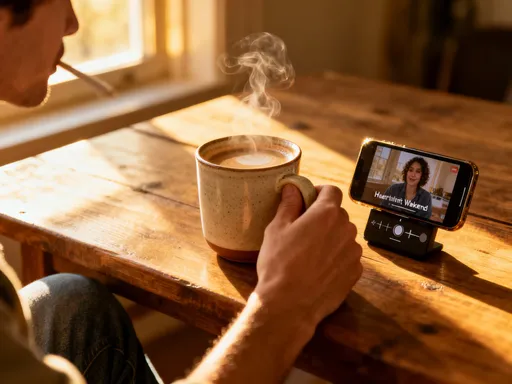
Make it cozy. Do it with a cup of tea. Do it while your kids nap. Do it on the porch with the breeze in your hair. Pair it with something that feels good, so your brain starts to associate editing not with work, but with warmth.
You don’t have to do this every week. You don’t have to do it perfectly. You just have to begin. Because every time you turn a raw clip into something meaningful, you’re doing more than editing a video. You’re honoring your life. You’re saying, “This was real. This was mine. This mattered.” And that? That’s the most powerful thing of all.