More Than Just a Corner: How Tech Helped Me Grow a Life-Giving Hobby at Home
You know that quiet corner of your living room you never quite figured out? I used to see it as dead space—until I turned it into a thriving hub for a new hobby. It wasn’t about buying more stuff or having a big apartment. It was about using simple, smart tools to make the most of what I had. This is how a few thoughtful tech choices didn’t just change a space—they changed my daily rhythm, my mood, and my sense of growth. What started as a forgotten patch of floor next to the bookshelf is now where I go to breathe, create, and remember who I am. And honestly? It all began with one small decision: to stop seeing emptiness and start seeing possibility.
The Unused Space That Held My Potential
Let’s be real—most of us don’t live in perfectly designed homes. There’s always that one spot: the sliver beside the fridge, the awkward nook by the window, or the corner where the couch doesn’t quite reach. Mine was just a blank wall with a single outlet and a view of the neighbor’s fence. For years, I used it to stash bags I hadn’t unpacked, a folding chair I never opened, and a potted plant that eventually gave up on life. I’d walk past it every day and feel a tiny twinge of guilt, like the space was silently judging me for not doing more with it.
But then something shifted. I started asking myself: what do I actually need from my home? Not what I see in magazines or on social media—but what feels true for me? I realized I didn’t need another storage ottoman or a fancy coffee table. What I craved was a place to slow down, to create, to feel connected to something alive. I’ve always loved nature—the way a leaf unfurls, the quiet strength of a cactus, the way light filters through greenery. And I’ve always enjoyed drawing, even if I’m not ‘good’ at it. So what if I combined the two? What if that dusty corner became a little indoor garden and sketching nook?
That question changed everything. Suddenly, the space wasn’t empty—it was full of potential. It wasn’t a problem to fix; it was an invitation. I didn’t need to knock down walls or spend a fortune. I just needed to see it differently. And the truth is, transformation doesn’t always come from big changes. Sometimes, it starts with a single shift in perspective—and a willingness to try.
Finding the Right Hobby That Fits Your Life
Here’s something I’ve learned the hard way: not every trendy hobby is meant for you. A few years ago, I downloaded every wellness app I could find—meditation timers, gratitude journals, habit trackers. I wanted to feel calmer, more centered, more ‘together.’ But after a week or two, I’d stop. Not because they didn’t work, but because they didn’t feel like me. Sitting still with my thoughts? Hard. Writing three things I was grateful for every night? Felt forced. I wasn’t failing at self-care—I was just using tools that didn’t match my rhythm.
What finally stuck was something tactile, something I could see and touch and watch grow. Tending to plants gave me a sense of purpose in small moments. Drawing them helped me slow down and really look. There’s something deeply satisfying about sketching the veins of a monstera leaf or noticing the first tiny bud on a peace lily. It’s not about perfection—it’s about presence. And that’s when I realized: the best hobbies aren’t the ones that look good on Instagram. They’re the ones that make you feel good on the inside.
Tech didn’t create this hobby, but it helped me discover it. I used a simple mood-tracking app for a few weeks, just jotting down how I felt each evening and what I’d done that day. After a while, a pattern emerged: on days I spent time with plants or drew something—even for five minutes—I felt calmer, more focused. On days I scrolled or rushed through chores, I felt drained. That data didn’t judge me; it showed me what nourished me. And that’s powerful. When life feels overwhelming, knowing what truly recharges you isn’t just helpful—it’s healing.
How Smart Lighting Brought Life to a Dark Corner
Now, let’s talk about the biggest obstacle: light. My corner faced north and got maybe an hour of direct sun, if I was lucky. Every plant I brought in—peace lilies, pothos, even a resilient snake plant—would slowly droop, leaves turning pale, then yellow. I’d read the care tags, water them faithfully, talk to them (yes, really), but nothing worked. I started to think I just didn’t have a green thumb. But the truth was, I didn’t have the right light.
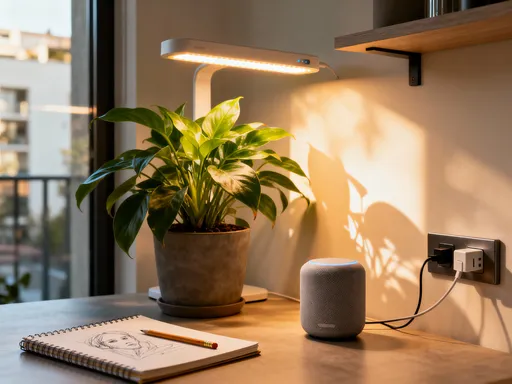
Then I discovered smart grow lights. And let me tell you, this wasn’t some complicated setup with timers and cords everywhere. I found a sleek, adjustable lamp that looks like a modern desk light but delivers the full spectrum of light plants need to thrive. I can set it to turn on at 7 a.m. and fade out by 7 p.m., mimicking a natural day. I control it from my phone, so if I’m running late, I can delay the start with one tap. No fiddling with outlets or remembering to flip a switch.
The difference was almost immediate. Within weeks, my spider plant sent out new shoots. My fiddle leaf fig stopped dropping leaves. And the best part? The light feels good for me too. That soft, warm glow in the morning is like a quiet invitation to start the day gently. It’s not harsh or glaring—it’s calming. I’ll sit with my tea, watch the light hit the leaves, and just breathe. It’s become part of my morning ritual. The tech didn’t replace sunlight—it made life possible where there wasn’t any. And honestly, that feels a little like magic.
Voice-Activated Reminders That Keep Me Consistent
I’ll admit it: I forget things. Not because I’m careless, but because my brain is full. Between school pickups, meal planning, work deadlines, and keeping the laundry from becoming a mountain, little things fall through the cracks. Sketching? Watering plants? They were the first to go when life got busy. I’d look at my corner and feel guilty again—like I’d let myself down.
Then I connected my smart speaker to a plant care app. Now, every few days, a calm voice says, ‘Hey, your peace lily could use some water today,’ or ‘Don’t forget to rotate your succulents for even growth.’ No alarm, no red notification—just a gentle nudge. It’s not demanding; it’s supportive. And because it’s voice-based, I don’t have to stop what I’m doing. I can say, ‘Remind me in two hours,’ or just walk over and take care of it right then.
These small reminders built consistency without pressure. At first, it felt like I was being babysat by my speaker. But over time, the habit took root. Now, watering my plants and opening my sketchbook feel as natural as making coffee. I don’t do it because I ‘should’—I do it because it feels good. And when I hear that voice, it’s not a chore reminder. It’s like a friend saying, ‘Hey, don’t forget to take care of the things that bring you joy.’
Digital Journals That Track Growth—Both Plants and Me
I’ve always loved notebooks, but mine would get lost in the shuffle—under bills, in the car, buried in a drawer. So I switched to a simple note-taking app on my tablet. I started by logging plant updates: ‘New leaf on the pothos,’ ‘ZZ plant looking greener,’ ‘Sketch of the aloe from the side view.’ I’d add photos, dates, little notes. It was practical—helping me remember when to water or fertilize.
But then something unexpected happened. I started writing about how I felt on those days. ‘Stressed about work—drew for ten minutes. Felt calmer.’ ‘Kid had a rough morning. Sat here with tea. Breathed. Planted new basil seeds.’ The app didn’t judge. It just held space for both my plants and my emotions. Over time, I could scroll back and see progress—not just in leaf count, but in my own resilience.
One day, I noticed I’d written ‘Felt invisible today. But the spider plant bloomed. That felt like a win.’ That hit me. This little corner wasn’t just growing plants—it was helping me grow too. The tech didn’t fix my hard days, but it helped me witness my strength. And that’s a gift. We don’t always see our own progress until we pause and look back. This digital journal became my mirror—quiet, kind, and always there.
Optimizing the Physical Layout with Minimalist Tech
Once the habits started sticking, I wanted the space to feel as peaceful as the routine. I didn’t want cords everywhere or gadgets that looked like they belonged in a lab. So I chose minimalist, functional pieces. I got a slim, height-adjustable shelf in light wood that holds my plants, sketchbooks, and supplies. It’s compact but smart—each tier gets enough light, and nothing feels crowded.
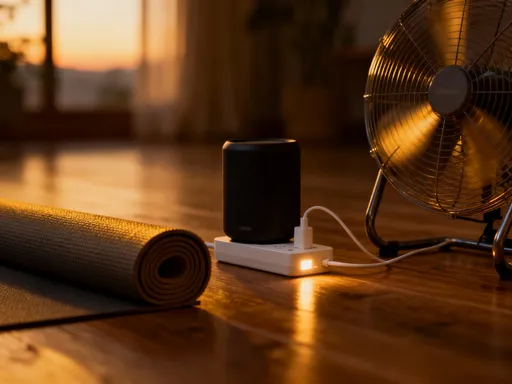
I added a small USB hub built into the shelf so I can charge my tablet while I sketch. No more hunting for outlets or tripping over cords. And I paired it with a tiny Bluetooth speaker—about the size of a coffee mug—that plays gentle nature sounds when I draw. A light rain track, birdsong, or soft forest ambiance. It’s not loud—just enough to block out the noise of the world and help me focus.
The beauty is in the simplicity. Everything has a place. The space feels intentional, not cluttered. I don’t need a lot of gear—just a few tools that support calm. People sometimes ask if it’s expensive to set up. But most of what I use is affordable, widely available, and built to last. It’s not about having the latest tech—it’s about choosing what serves your peace. And when your space supports you instead of stressing you, that’s when real change begins.
A Small Space That Grew a Bigger Version of Me
This corner has become more than a hobby spot. It’s my sanctuary. When the house feels loud, when the to-do list feels endless, when I’ve spent the whole day meeting everyone else’s needs, I come here. I water the plants, pick up my pencil, sit under the warm glow of the grow light. And in those quiet moments, I remember myself.
The tech in this space never shouts for attention. It doesn’t buzz or flash or demand updates. It works quietly, consistently, like a good friend who knows when to speak and when to just be there. It gave me structure without rigidity, support without pressure. It helped me show up—even on tired days—because the reminders are kind, the light is warm, and the space feels like mine.
And here’s what I didn’t expect: this little corner didn’t just change how I spend my time. It changed how I see myself. I’m not just a mom, a partner, a worker. I’m someone who creates, who notices, who grows. I’m someone who makes space for joy, even in a busy life. In a world that’s always rushing, always demanding more, having one place that slows down with me? That’s not just a luxury. It’s a lifeline.
So if you have a corner, a windowsill, even a shelf that feels ‘wasted’—I hope you’ll see it differently. You don’t need a big budget or a talent for tech. You just need one small step: a plant, a sketchbook, a gentle light. Let the tools support you, not overwhelm you. Let them help you grow—not just something green, but a version of yourself that feels more alive. Because sometimes, the most powerful transformations start in the quietest places. And they’re worth tending to.