What If Your Morning Routine Could Protect Your Family’s Health—Without Anyone Lifting a Finger?
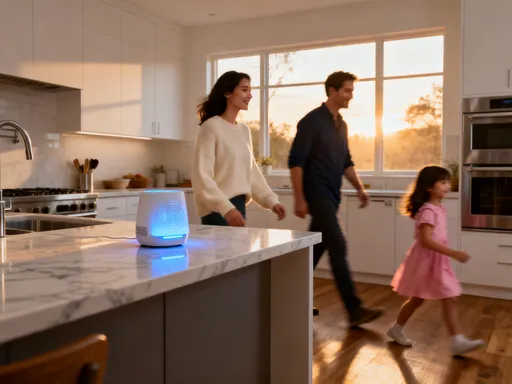
Imagine waking up to a home that quietly watches over your family—not with cameras or alarms, but with gentle awareness. The coffee brews, the kids rush to school, and life unfolds as usual. Yet behind the scenes, everyday devices are checking heart rates, spotting sleep trends, and flagging early signs of fatigue or illness—long before symptoms appear. This isn’t science fiction. It’s what happens when smart tech blends into family life, not as gadgets, but as silent guardians of health. You don’t have to do anything different. You just live your life—while your home helps protect it.
The Unseen Strain: When Busy Family Life Hides Health Risks
Let’s be honest—most of us are running on autopilot. Mornings are a blur of packed lunches, last-minute homework checks, and carpool drop-offs. By the time we catch our breath, it’s already evening, and someone’s coughing a little more than usual. We love our families deeply, but between work deadlines, school events, and household chores, it’s easy to miss the small changes. A child seems more tired than usual. A partner snaps a little quicker. An aging parent moves a little slower. These aren’t just ‘off days’—they might be early signals.
I remember the moment I realized how much I’d missed. My daughter had been waking up with headaches for weeks. I chalked it up to stress—finals were coming up. But when her pediatrician mentioned sleep apnea during a routine checkup, it hit me: I hadn’t even noticed her breathing sounded different at night. She wasn’t snoring loudly, just… uneven. That ‘I should’ve known’ feeling? It stayed with me. And I know I’m not alone. So many moms I talk to say the same thing—they’re great at managing schedules, but not so great at catching subtle health shifts.
The truth is, we’re not trained to be health detectives. We’re trained to keep the wheels turning. But what if your home could help you see what you’re too busy to notice? What if the same devices that play lullabies or turn off lights could also gently track breathing patterns, sleep quality, or even changes in voice tone? That’s not wishful thinking. It’s already possible. And it’s not about turning your house into a hospital—it’s about giving you peace of mind in the middle of the chaos.
Health Monitoring, Redefined: No Wires, No Worry
When I first heard about health-tracking tech, I pictured hospital monitors or clunky wristbands that needed constant charging. I thought, ‘No way my family’s going to wear that.’ But what’s changed—and what most of us don’t realize—is how quietly these tools now work. They’re not in your face. They’re in the background, doing their job without demanding attention.
Take smartwatches, for example. My 13-year-old wears one because she likes the fitness challenges with her friends. But what I love? It tracks her sleep stages, resting heart rate, and even detects if she’s had a restless night. One week, the app flagged that her deep sleep dropped by nearly 30%. I asked her how she was feeling—tired, she said, but ‘fine.’ A few days later, she came down with a stomach bug. That early alert gave me time to adjust her schedule, keep her hydrated, and avoid a meltdown before it happened.
And it’s not just wearables. Smart bathroom scales can measure body composition—things like muscle mass, body fat, and hydration levels—without any extra effort. Just step on, and it syncs to your phone. For my husband, who’s been managing his blood pressure, it’s been eye-opening. He didn’t realize how much his hydration levels dropped when he traveled for work—until the scale showed a pattern over three weeks. A simple reminder to drink more water made a real difference.
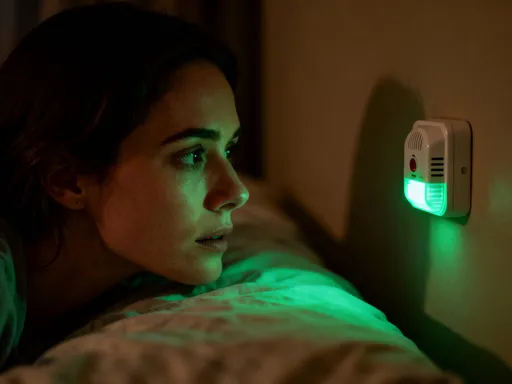
Even your Wi-Fi router can play a role. Newer systems use low-power signals to detect movement and breathing patterns while someone sleeps. No cameras. No wearables. Just the signal bouncing off the body. If breathing becomes irregular, the system can send a gentle alert. It’s not meant to diagnose—it’s meant to say, ‘Hey, something’s different. Maybe check in.’ For families with young kids or older parents, that kind of quiet awareness can be a game-changer.
From Data to Care: How Tech Turns Numbers into Meaning
Here’s the thing: numbers alone don’t help. Seeing that your resting heart rate is 72 doesn’t mean much unless you know what it should be—and what changes might mean. That’s where smart apps and AI come in. They don’t just collect data—they learn your family’s normal. Over time, they spot trends, not just one-off readings.
Think of it like this: if your child’s resting heart rate jumps by 15 beats per minute for two nights in a row, the app might flag it. Not because it’s dangerous, but because it’s unusual for them. That’s when you might check in: ‘You feeling okay? Any chest tightness? Fever?’ In one case, a friend’s daughter had a spike in her heart rate and a drop in activity. A quick call to the pediatrician led to a strep test—and early treatment before it turned into something worse.
Another mom I know uses a family health app that tracks everyone’s daily steps, sleep, and mood logs. When her teen’s steps dropped by 40% over three days, and his mood log showed ‘stressed’ twice, she knew something was off. Turns out, he was coming down with the flu but didn’t want to miss a big project deadline. She helped him rest, adjust his schedule, and avoid pushing too hard. That early insight? It wasn’t from a doctor’s visit. It was from data that was already being collected—just quietly, in the background.
The real value isn’t in the tech—it’s in the conversations it starts. It’s the ‘I noticed you’ve been tired—want to talk about it?’ It’s the ‘Let’s call the doctor before this gets worse.’ These tools don’t replace care. They make it more proactive. And for busy families, that shift—from reactive to preventive—can mean fewer ER visits, less stress, and more confidence that you’re not missing something important.
Coordinating Care Without the Chaos
Family health isn’t a one-person job. It’s a team effort. But coordinating care? That’s often messy. One parent sees the doctor, another handles meds, a grandparent checks in from afar. Information gets lost. Follow-ups slip through the cracks. What if everyone who cares could stay in the loop—without endless group texts or missed calls?
That’s where shared family health dashboards come in. These aren’t complicated systems—they’re simple apps where you can create a family profile, set permissions, and choose what each person sees. For example, my sister lives across the country, but she helps care for our mom. She has access to Mom’s blood pressure readings and medication reminders. If Mom misses a dose, my sister gets a notification. She calls, checks in, and makes sure it’s taken. It’s not about taking control—it’s about sharing responsibility.
For families with kids who have chronic conditions like asthma, this kind of coordination is priceless. One dad I spoke to travels frequently for work. While he’s away, he uses an app to check his daughter’s asthma trends. The smart inhaler she uses logs each dose and tracks symptoms. If her usage goes up, he gets an alert. He can message the school nurse or call his wife to adjust her plan. It doesn’t replace in-person care—but it gives him peace of mind that he’s still part of the team, even when he’s miles away.
And it’s not just for medical needs. Think about flu season. One app we use lets us log symptoms, temperatures, and recovery progress for everyone in the house. When my son had a fever, we could see that his sister’s resting heart rate spiked the next day—before she showed any symptoms. We isolated her early, kept her hydrated, and likely stopped a full-blown outbreak. That kind of awareness? It’s not magic. It’s just smart, shared information.
Privacy That Feels Personal, Not Paranoid
I’ll admit it—I was nervous at first. Sharing health data? With apps? With companies? It felt risky. What if someone hacks it? What if my daughter’s sleep patterns end up in an ad? These are real concerns. And they should be. But what I’ve learned is that most reputable health tech companies take privacy seriously—not as an afterthought, but as a core feature.
Many devices now process data locally—on your phone or in your home—so it never goes to the cloud unless you want it to. Information is encrypted, meaning it’s scrambled and unreadable to anyone without the key. And you control who sees what. In our family app, I can choose exactly who has access to each person’s data. My husband sees everything. My mom only sees her own. My kids? They can see their own stats, but not each other’s. It’s not about secrecy—it’s about respect.
I talked to a privacy expert who put it simply: ‘The risk isn’t in using these tools—it’s in not understanding how they work.’ She recommended reading privacy policies (yes, the boring part), turning on two-factor authentication, and only using apps from trusted developers. I followed her advice. I deleted two apps that asked for more data than they needed. I turned off location sharing for others. And now? I feel more in control, not less.
One mom told me, ‘I used to worry about my daughter’s data—until I saw how the app lets me choose exactly who sees her info. Now, it feels safer than a paper health record in a school nurse’s drawer.’ That hit home. Because the truth is, no system is 100% foolproof. But with the right choices, you can make your digital health space just as secure—and much more useful—than old-school methods.
Starting Small: No Tech Expertise Needed
If you’re thinking, ‘This all sounds great, but I can barely set up the printer,’ I get it. You don’t need to be a tech whiz. You don’t need to buy everything at once. Start with one thing. One device. One habit.
That’s what I did. I started with a smart scale. Simple. It measures weight, body fat, and hydration. I set up a family profile—just me and my husband at first. We stepped on it every morning. Within a week, we saw patterns: my hydration dropped on busy days; his muscle mass increased after he started walking more. Nothing dramatic. Just… helpful.
Then I added a sleep tracker for the kids. Not a medical device—just a basic fitness band. They liked the step challenges. I liked the sleep scores. We didn’t change anything—we just started noticing. When one kid had low sleep quality three nights in a row, we checked her bedtime routine. Turns out, she was scrolling on her phone until midnight. We set a screen curfew. Sleep improved. So did her mood.
Here’s what I hear a lot: ‘I thought this was for fitness nuts or tech geeks.’ But here’s the truth—it’s for anyone who wants to feel more in control of their family’s well-being. You don’t have to track everything. You don’t have to understand every metric. Just pick one thing that matters to you. Is it sleep? Start there. Energy levels? Try a step counter. Stress? Some apps can analyze voice tone during calls or voice memos—subtle shifts in pitch or speed can hint at fatigue or anxiety.
And cost? It doesn’t have to be expensive. Many smartphones already have built-in health apps. Most newer models track steps, heart rate, and sleep—just by being in your pocket. You don’t need the latest gadget. You just need to start.
A Healthier Home, One Day at a Time
At the end of the day, none of us want a ‘smart’ home that feels cold or clinical. We want a home that feels safe. That supports us. That helps us care for the people we love—without adding more to our plates. That’s what this is really about. It’s not about replacing human connection. It’s about enhancing it.
When your daughter’s sleep tracker shows a rough night, you might tuck her in a little longer, ask how she’s really doing. When your mom’s blood pressure app sends a gentle alert, you might call her just to chat. These tools don’t take over care—they make it more intentional. They give you the space to notice, to act, to love more fully.
I used to think tech was the enemy of presence—the thing that pulled us away from each other. But I’ve learned it can do the opposite. It can help us be more present—by catching what we miss, by giving us confidence, by turning routine moments into quiet acts of protection.
So yes, your morning routine could protect your family’s health. Not because you’re doing anything different. But because your home is doing a little more. It’s not about living perfectly. It’s about living with a little more peace, a little more clarity, and a lot more love. And honestly? That’s the kind of future I want for my family—and I hope it is for yours, too.