Tired of Feeling Stressed Every Time You Get Behind the Wheel? This Changed Everything
Driving used to stress me out—rushing in traffic, forgetting routes, or realizing too late that I’d picked up bad habits without even knowing. It wasn’t just tiring; it felt like my car had no idea who I was. But lately, something’s shifted. Cars are starting to know us—not in a creepy way, but like a thoughtful co-pilot who learns how you like to drive, when you’re feeling tense, and what helps you stay calm. This isn’t science fiction. It’s personalization in driving behavior analysis, and it’s quietly making daily commutes safer, smoother, and more me.
The Daily Drive: When the Road Feels Like a Burden
How many mornings have you pulled into your driveway after a short commute and thought, I’m already exhausted? You’re not alone. For so many of us, driving has quietly shifted from a symbol of freedom to a daily source of tension. We grip the wheel tighter than we need to, react sharply to sudden lane changes, and feel our shoulders rise with every red light. It’s not just the traffic—it’s the mental load. The mental math of timing, the fear of being late, the constant vigilance. And the worst part? We’ve normalized it. We tell ourselves, That’s just how driving is. But what if it didn’t have to be?
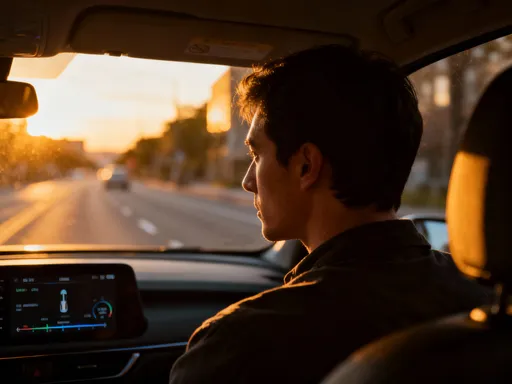
I remember one Tuesday morning—rain tapping on the windshield, coffee cooling in the cup holder—when I missed my turn for the third time that week. Not because the route was complicated, but because my mind was racing. I was thinking about my daughter’s school project, a work deadline, and whether I’d remembered to turn off the oven. My body was in the driver’s seat, but my brain was somewhere else. That moment hit me: I wasn’t driving; I was surviving. And that’s when I realized how much I’d been giving up just to get from point A to point B. The joy, the focus, the sense of control—all of it had slipped away without me noticing.
This isn’t just about long commutes or city traffic. It’s about how the small, repeated stresses add up. The way your heart rate spikes when someone cuts you off. The way your jaw clenches in stop-and-go traffic. These aren’t just annoyances—they’re signs that your body is in low-grade survival mode. And when that happens day after day, it wears on your mood, your energy, and even your relationships. You get home, and instead of being present, you’re still replaying the drive. But what if your car could help you shift out of that mode? What if it could notice when you’re tense and do something about it—without you having to ask?
Meet the Car That Learns You
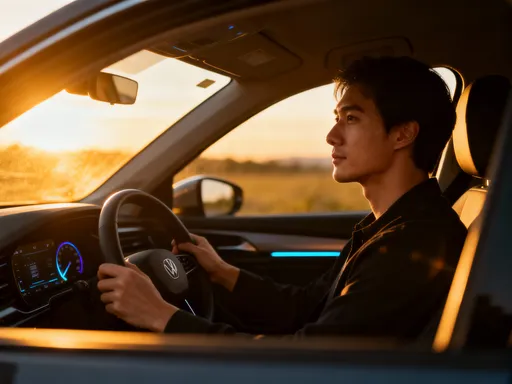
Imagine pulling into your car and feeling like it knows you. Not in a sci-fi, Big Brother kind of way, but like a friend who remembers how you take your coffee. That’s what’s happening now with the latest generation of vehicles. They’re not just machines with engines and wheels—they’re learning systems, quietly observing how you drive and adapting to your rhythm. This isn’t about collecting data for the sake of it. It’s about using smart, sensitive technology to make your drive more human.
Here’s how it works: your car has sensors—tiny ones, hidden in the steering wheel, pedals, and suspension—that track how you move behind the wheel. They notice the way you press the brake, how smoothly you turn, how quickly you accelerate. Over time, this data builds a picture of your driving style. Are you cautious or confident? Do you prefer gentle curves or faster merges? Even your mood can show up in the way you drive—like when you’re in a rush and tap the gas harder, or when you’re tired and react more slowly. The car sees these patterns, not to judge, but to understand.
And here’s the beautiful part: it learns you. Not just any driver, but you. If you usually take the back roads to avoid traffic, it starts to expect that. If you tend to slow down at certain intersections, it notes that. This isn’t pre-programmed logic—it’s adaptive intelligence. Think of it like a smart thermostat that learns when you like the house warm, or a music app that knows your favorite playlist for Sunday mornings. Your car becomes familiar with your habits, your pace, your preferences. And once it knows you, it can start to help in ways that feel natural, not forced.
I’ll never forget the first time my car gently suggested a different route because it sensed I was stressed. I hadn’t said a word. I hadn’t pressed a button. But my breathing was shallow, my grip on the wheel tighter than usual, and the system picked up on it. A soft chime, a calm voice: There’s heavy traffic ahead. Would you like a quieter route? I said yes, and suddenly, the drive felt lighter. It wasn’t just about avoiding traffic—it was about being seen. That moment changed how I thought about technology. It wasn’t cold or robotic. It was paying attention in a way that felt… caring.
From Data to Care: How Personalization Brings Comfort
Let’s be honest—when we hear “data,” we often think of surveillance, not support. But what if the data your car collects wasn’t about tracking you, but about taking care of you? That’s the shift happening now. The same information that once went only to insurance companies or repair shops is now being used to create a more supportive driving experience. It’s not about what you did wrong—it’s about how the car can help you feel better.
Take route planning, for example. Most of us use GPS, but it’s usually one-size-fits-all. It tells you the fastest way, but not the calmest way. Personalized driving systems go further. If your car knows you prefer scenic drives or avoid highways, it starts to suggest routes that match your style. And if it senses you’re in a hurry or feeling anxious, it might highlight a path with fewer stops, smoother turns, or more open lanes. It’s like having a co-pilot who knows not just where you’re going, but how you like to get there.
And then there are the little things—the subtle nudges that make a big difference. If you tend to speed up when you’re late, your car might gently remind you to check your pace. Not with a harsh beep, but with a soft tone or a message on the dashboard: Easy does it. You’ve got time. Or if it notices you braking harder than usual, it might suggest taking a break or adjusting your seat for more comfort. These aren’t punishments or warnings—they’re invitations to slow down, breathe, and reset.
One mom I spoke with told me how her car started suggesting quiet routes after school drop-offs. She hadn’t programmed it—her driving patterns showed that she was more relaxed on side streets, and the system picked up on it. Now, on days when her kids are吵闹 (and let’s be real, that’s most days), the car quietly guides her toward calmer roads. It’s like the car gives me a chance to decompress before I walk into work, she said. That’s not just convenience—that’s emotional support.
Smoother Days, Safer Habits—Without Trying
Here’s the thing about change: it’s hard when it feels like work. But what if better habits came to you naturally, without effort? That’s the magic of personalized driving systems. They don’t require you to relearn how to drive or memorize new rules. Instead, they work in the background, shaping your behavior through gentle feedback and smart design.
Think about how you’ve improved at anything in life—cooking, parenting, even using your phone. You didn’t become better because someone scolded you. You improved because you got feedback, adjusted, and repeated. That’s exactly how these systems work. If you tend to accelerate too quickly, your car might highlight smoother driving with a small green bar on the display. No shame, no alarm—just a quiet encouragement. Over time, you start to notice it. You start to aim for that green. And before you know it, you’re driving more smoothly—without even trying.
I’ve seen this happen with fuel efficiency, too. One friend told me she never paid attention to her gas usage—until her car started showing a little leaf icon that grew greener the more efficiently she drove. She didn’t set out to save fuel, but she found herself coasting more, anticipating stops, and planning routes better. I didn’t realize how much I was wasting until the car made it visible, she said. Now, she saves money and feels good about her impact on the planet—all because a tiny leaf made her habits feel rewarding.
And it’s not just about efficiency. Aggressive driving—sharp turns, sudden stops, fast acceleration—increases stress for everyone on the road. But when a car responds to calm driving with positive feedback, it makes gentler habits feel natural. Drivers report feeling more in control, more focused, and less reactive. One dad said, I used to get frustrated when people cut me off. Now, I just let it go. My car doesn’t reward anger—it rewards calm. That’s not just safer driving. That’s personal growth.
Family on Board: Peace of Mind for Everyone
As a parent, nothing weighs on you quite like knowing your child is behind the wheel for the first time. You’ve given the talks, set the rules, maybe even installed a tracking app. But what if your car could help, too? Modern personalized systems aren’t just for experienced drivers—they’re designed to protect and guide the ones you love most.
When a new driver—like a teen—gets behind the wheel, the car can detect that the driving pattern is unfamiliar. It doesn’t assume the worst. It simply recognizes that this isn’t you. And in response, it can adjust. Maybe it turns on extra stability controls. Maybe it sends a quiet notification to a trusted contact: Someone new is driving. All is well, but you’re aware. It’s not about spying. It’s about support. It’s the car saying, I’ve got this. You can breathe.
I remember when my son took the car out for the first time alone. I was a mess—texting him every ten minutes, imagining every possible worst-case scenario. But my car had a feature that let me see a summary of his trip afterward: speed, route, any hard braking. No live tracking, no constant updates—just a gentle report. And when I saw that he’d driven smoothly, stayed within limits, and taken his time, I felt a wave of relief. Not because I was monitoring him, but because the car had helped him stay safe.
And it’s not just for teens. When your partner drives in heavy rain or snow, the system can detect changes in grip and adjust traction control before a skid happens. It can suggest slowing down or increasing distance based on real-time conditions and the driver’s behavior. These aren’t alarms—they’re quiet safeguards. They don’t take control. They just make it easier to make good choices.
For families, this tech isn’t about control. It’s about care. It’s knowing that the car is looking out for your loved ones the way you would. It’s one less thing to worry about in a world that already asks so much of us.
Beyond the Dashboard: How This Tech Shapes Your Life
Here’s something I didn’t expect: when my drives got calmer, so did my days. It sounds simple, but it’s true. The way you start your morning sets the tone for everything else. If you arrive at work tense and drained, you’re more likely to snap at a colleague or feel overwhelmed by small tasks. But if you pull in feeling centered, you carry that calm with you. And that’s exactly what’s happened since my car started helping me drive with more intention.
I’ve noticed I’m more patient—with my kids, my coworkers, even myself. I’m less reactive. I pause before responding. And I’m sleeping better, too. I used to bring the tension of the drive home with me, unwinding it slowly over dinner. Now, I arrive feeling lighter. The stress doesn’t pile up the way it used to. It’s like my car isn’t just getting me places—it’s helping me arrive as a better version of myself.
And I’m not the only one. Studies show that reducing driving stress can improve focus, lower blood pressure, and even strengthen relationships. When you’re not carrying the weight of the commute, you have more emotional space for what matters. You listen more. You laugh more. You show up.
This isn’t just about technology. It’s about well-being. And the beautiful thing is, it starts small. A gentler brake. A calmer route. A quiet reminder to breathe. These tiny moments add up to a bigger shift—one that touches your home, your work, your sense of self. You don’t have to change your life all at once. You just have to let your car help you change the drive.
The Future Isn’t Flashy—It’s Thoughtful
We used to think the future of cars was about speed, power, and luxury. But the real breakthrough isn’t louder engines or shinier finishes. It’s the quiet intelligence that makes driving feel more human. The cars of tomorrow won’t just take us places—they’ll understand why we’re going. They’ll know when we need peace, when we need a boost, and when we just need to be left alone.
And the best part? This isn’t reserved for luxury models or far-off futures. It’s already here, in vehicles from trusted brands, designed with real lives in mind. You don’t need to be a tech expert to use it. You just need to get behind the wheel and let it learn you.
Because at its heart, this technology isn’t about data or algorithms. It’s about dignity. It’s about feeling seen, supported, and safe. It’s about reclaiming your time and your peace, one drive at a time. And for someone like me—a busy mom, a working woman, a person who just wants to get through the day with grace—that is the real luxury.
So the next time you feel that familiar knot of stress as you turn the key, take a breath. Your car might be about to become your quietest, kindest ally. And your drive? It might just become the start of a calmer, clearer day.