From Clumsy Alerts to Clever Awareness: How Motion Sensors Learned to Understand Our Home
You know that old feeling—racing home because your security app buzzed *again*? A cat brushed past, and the alarm thought it was an intruder. For months, I questioned if motion detection tech was more hassle than help. But something shifted. Slowly, those false alarms faded. The system started *getting* us—our rhythms, our routines. This isn’t just about sensors anymore. It’s about technology that learns to protect without pestering. Let me tell you how it finally became the quiet guardian we always hoped for.
The Early Days: When Every Shadow Felt Like a Threat
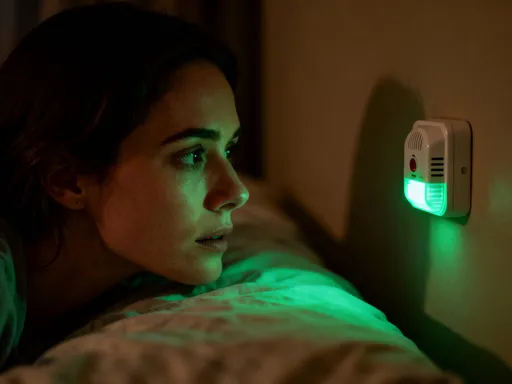
When I first installed motion sensors around the house, I imagined peace of mind. No more second-guessing whether I’d locked the back door. No more jumping at creaks in the night. I thought, Finally, I can relax. But instead, my phone buzzed at 2 a.m. because the neighbor’s headlights hit the living room wall. It chirped during dinner because our golden retriever made a dramatic leap onto the couch. I’d grab my phone, heart pounding, only to see a blurry clip of the cat stretching in front of the hallway mirror. It wasn’t security—it was stress with a soundtrack.
I wasn’t alone. So many of us have been there—excited to bring smart tech into our homes, only to feel like we’re babysitting the babysitter. Early motion detection systems ran on simple logic: movement equals possible danger. That’s it. No nuance. No memory. No understanding of context. A falling leaf outside the window? Alert. A curtain dancing in the breeze? Alert. The dog sneezing too hard? You guessed it—alert. Over time, the constant pings started to wear me down. I’d silence the notifications. Then ignore them. Then consider unplugging the whole thing. I wanted protection, not panic. And honestly, I began to wonder if I’d been sold a promise that the technology just couldn’t keep.
What I didn’t realize then was that I was watching the first chapter of a much longer story. The early systems weren’t broken—they were just starting. Like a newborn learning to focus, they needed time, data, and real-life experience. And while I was frustrated, something quietly remarkable was beginning to happen behind the scenes.
Living With the System: Patterns Begin to Emerge
About six weeks in, I noticed something strange: the alerts were… changing. Not gone, but different. Fewer. More thoughtful, almost. One evening, my son walked through the living room in his socks, grabbing a glass of water. No alert. But later that night, when a tree branch tapped the window during a storm, the app buzzed instantly. I sat up. How did it know? Was it luck? A fluke? Or had the system actually started to learn?
That’s when I began paying closer attention. I realized the system wasn’t just reacting to movement—it was starting to recognize patterns. It learned that at 7:15 p.m., someone usually walks from the kitchen to the living room. That at 9:30, the dog settles on the rug. That the back door opens around 6 a.m. when my husband leaves for work. Over time, the device stopped treating every motion as a surprise. Instead, it began to build a quiet understanding of what “normal” looked like in our home.
It wasn’t magic. It was machine learning—gentle, patient, and invisible. The sensor wasn’t just collecting data; it was learning from it. Every time I opened the app and dismissed an alert, every time I marked something as “not a threat,” I was teaching it. And the more I lived in my home, the more it understood. I remember one morning, I got an alert from the basement. I tapped it open, and there was a delivery person—unexpected, outside normal hours. My heart jumped, but this time, the alert felt right. Important. For the first time, I didn’t feel annoyed. I felt protected.
This shift wasn’t overnight. It grew slowly, like trust between old friends. But once it started, I couldn’t unsee it. The system wasn’t just watching. It was paying attention.
The Quiet Shift: When Technology Started Understanding Context
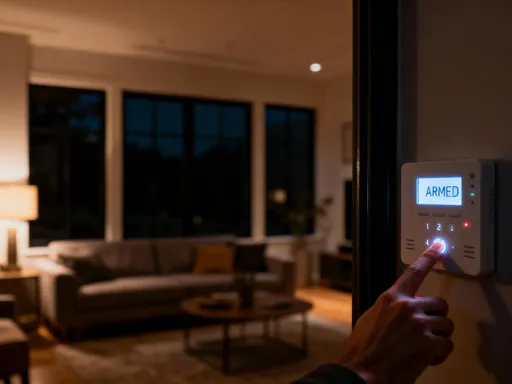
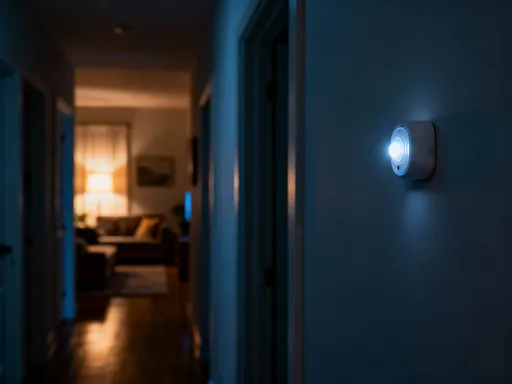
There was a moment—small, but clear—when I knew things had changed. It was 1:17 a.m. I was half-awake, and my phone lit up. I braced for another false alarm. But when I opened it, the video showed someone walking through the backyard—someone who didn’t belong. I called the authorities immediately. They confirmed it was a trespasser. That was the first time I truly felt the system had my back.
What made the difference? Context. The device didn’t just detect motion—it understood it. It knew that at 1:17 a.m., no one should be in the backyard. It knew that the usual nighttime movements—like a trip to the kitchen—followed a familiar path and pace. It had learned the rhythm of our lives. And because of that, it could tell the difference between a routine midnight snack and a real threat.
This is where motion detection stopped being just a gadget and started feeling like a guardian. Modern systems don’t just see movement—they build a timeline. They learn when lights are usually on, when doors are opened, when the house settles into quiet. They notice if someone walks slowly—maybe an older family member—or quickly, with urgency. They can even distinguish between the way a person walks and the way a pet moves, based on heat patterns and motion flow.
I remember testing it without meaning to. One night, I tiptoed to the kitchen in my robe, same as always. No alert. But when my sister—visiting for the weekend—went to get water at the same time, the system sent a gentle notification: “Unusual activity detected.” Not a blaring alarm. Just a heads-up. That balance—aware but not overreactive—is what I’d been hoping for all along.
Learning Beyond Motion: Blending Data for Smarter Insights
Here’s something most of us don’t think about: motion sensors today don’t work alone. They’re part of a team. And that team includes temperature, light, and even sound patterns—all working together to understand what’s really happening in your home.
Think about it. A sudden change in heat near a window could be a person—or it could be the sun hitting a wall. But if the light levels are rising at the same time, and it’s 7 a.m., the system knows it’s probably just sunrise. Or consider the furnace kicking on. Old sensors might mistake the warm air shift for movement. But today’s smart systems cross-reference: was there actual motion? Did the light change? Was there a sound? If not, it stays quiet.
This blending of data is like having a detective on duty—one who looks at all the clues before making a call. I noticed this during home renovations last year. Dust, new furniture, strange shadows—everything was out of place. I expected chaos in the alerts. But instead, the system adapted. It learned the new layout within days. It stopped flagging the ladder in the hallway as a threat. It recognized that the contractor’s boots had a different step than ours. It even adjusted to the new lighting angles from the skylight we installed.
And here’s what I appreciate most: privacy. The learning happens right in the device, not in some faraway server. Your home’s patterns stay in your home. No one’s watching the video. No one’s listening. It’s not about surveillance. It’s about smart sensing—like a smoke detector that learns when it’s real smoke versus burnt toast. The tech isn’t curious. It’s careful.
A Safer Home, Not a Watched One
The real win here isn’t just fewer false alarms. It’s the return of peace. When every alert used to feel like a potential emergency, I was numb to them. Now, when my phone buzzes, I pay attention. Because I trust that if it’s alerting me, it’s for a reason.
That peace extends beyond me. My mom, who lives alone, installed a similar system last year. She has arthritis, so her movements are slower, more deliberate. Old systems would have flagged her every time she got up at night. But this one learned her pace. It knows when she’s making tea, when she’s reading in her chair. She told me, “I don’t feel watched. I feel looked after.” That hit me right in the heart.
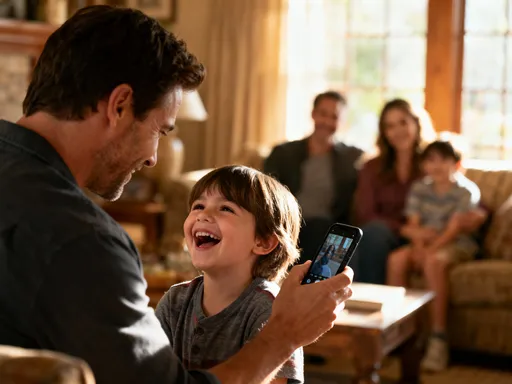
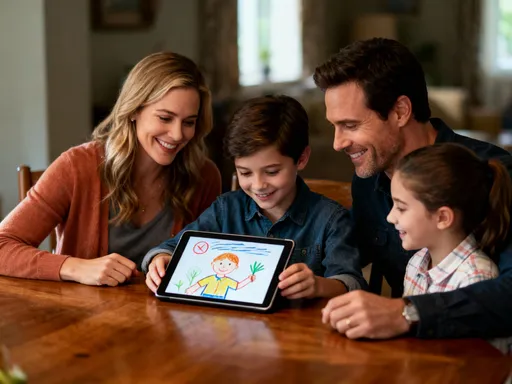
For families, the benefits are even deeper. I have a friend whose teens come home from school before she gets off work. She used to text them the moment they walked in. Now, she gets a quiet notification when the door opens—no need to interrupt their space. She knows they’re safe, and they don’t feel micromanaged. It’s the perfect balance: care without control.
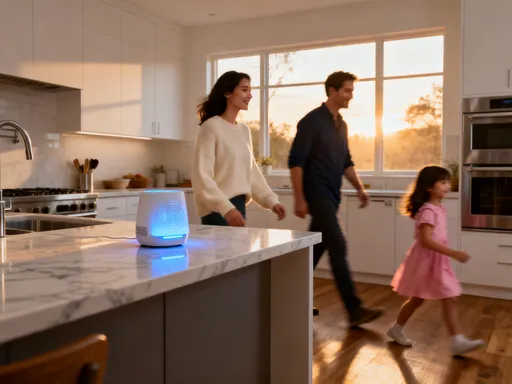
This isn’t about creating a fortress. It’s about creating a home that breathes with you. One that knows when to be alert and when to be still. One that protects without intruding. That’s the kind of safety that doesn’t just guard your house—it supports your life.
How to Help Your System Learn Faster
Want to speed up the learning process? It’s easier than you think. Think of your motion sensor like a new houseguest—polite, observant, and eager to fit in. The more you help it understand your routine, the faster it becomes part of the family.
Start with consistency. In the first few weeks, try to follow your usual patterns. Take the same path to the kitchen at night. Open the same doors at similar times. This helps the system build a baseline of normal. If you’re always walking through the living room at 8 p.m., it’ll learn that quickly and stop questioning it.
You can also set temporary exclusion zones. Many systems let you “mask” areas—like a sunny window or a pet’s favorite napping spot. That way, a sunbeam won’t trigger a false alert. Same goes for pets. If your dog likes to jump on the couch in the evening, you can mark that zone as low-priority. Over time, the system will learn to ignore those movements—or at least send a softer notification.
And here’s a pro tip: review your alerts mindfully. When you open an alert, take a second to confirm whether it was valid. Some apps let you label events as “person,” “pet,” or “unknown.” That feedback trains the system. It’s like teaching a child—gentle corrections lead to better understanding.
Most importantly, be patient. The system learns in real time, not overnight. But every day, it gets a little smarter. A little more in tune. And the payoff? A home that feels like it knows you.
The Bigger Picture: Technology That Grows With You
When I look back at those early days of constant alerts and second-guessing, I realize how far we’ve come. Motion detection isn’t just about catching intruders anymore. It’s about understanding life as it happens—messy, beautiful, and full of rhythm.
This evolution is part of something bigger: technology that adapts to us, not the other way around. For so long, we’ve had to fit our lives into the limits of our devices. We’ve changed our habits to suit the tech. But now, the tech is changing to suit us. It learns our pace, respects our privacy, and protects us in a way that feels natural, not forced.
And that makes all the difference. Because true safety isn’t about constant vigilance. It’s about quiet confidence. It’s knowing that your home is looking out for you, even when you’re too tired to look out for yourself. It’s the freedom to relax, to laugh, to live—without fear whispering in the background.
So yes, motion sensors have gotten smarter. But more than that, they’ve gotten wiser. They’ve learned that a home isn’t just a collection of rooms. It’s a living, breathing space filled with people who matter. And the best technology? It doesn’t just watch over that space. It learns to love it, too.